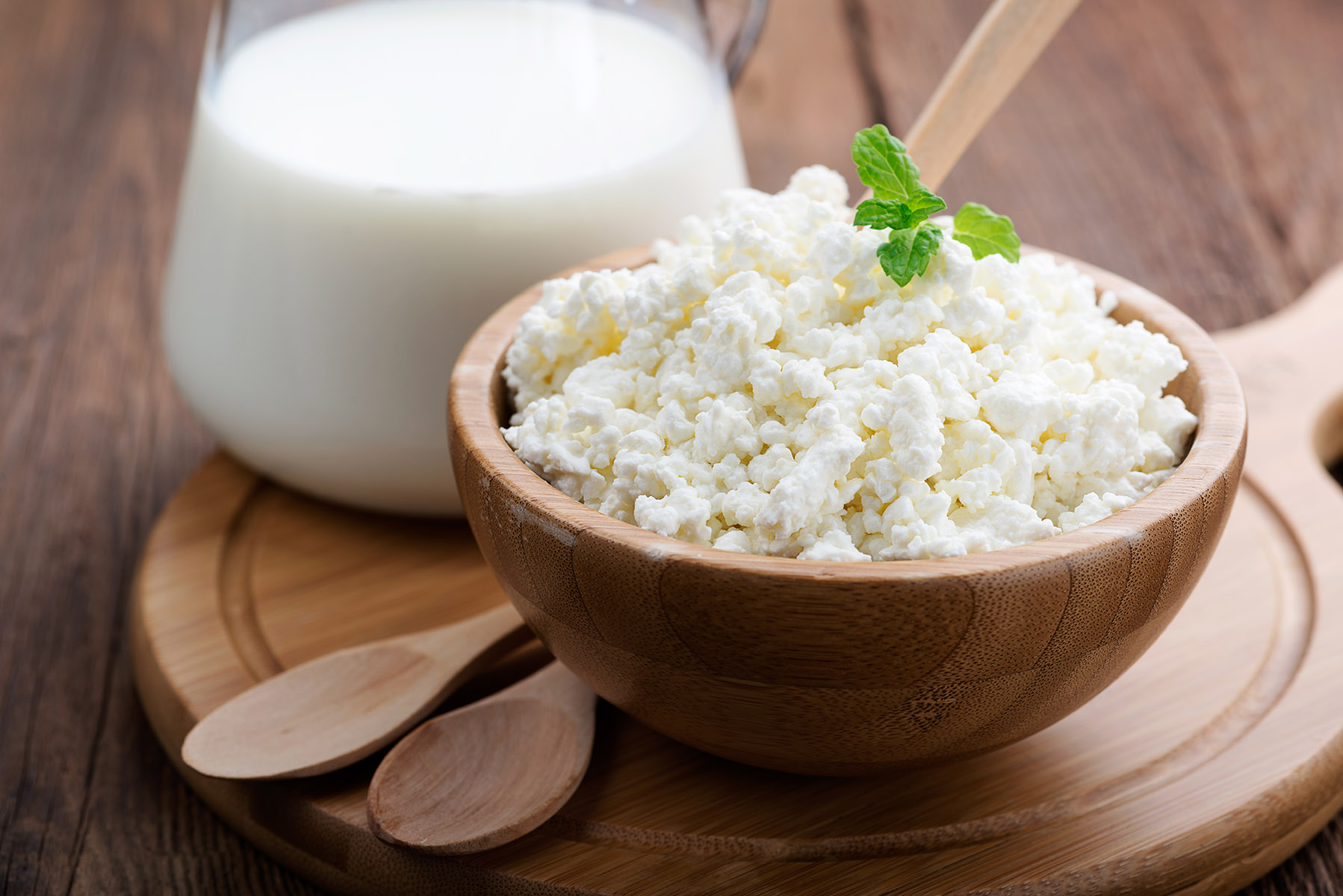
Turn Sour Milk into Fresh Cottage Cheese: An Easy Guide
We've all been there. You open the fridge, grab the milk carton, and notice the expiration date has subtly crept past. Or perhaps you poured a glass, only to detect that faint, tangy aroma that signals your milk is starting to turn. While your first instinct might be to sigh and pour it down the drain, what if we told you there's a delicious, resourceful, and incredibly simple way to transform that "soured" milk into something truly special? That's right – you can learn
how to make cottage cheese right in your own kitchen!
Far from being a waste, lightly soured milk is actually a fantastic starting point for creating fresh, creamy, and flavorful homemade cottage cheese. This guide will walk you through the process, showing you not only how to save perfectly good milk from being discarded but also how to enjoy a superior dairy product free from commercial additives and preservatives. Get ready to discover a rewarding culinary skill that tastes as good as it feels to be resourceful!
Why Make Cottage Cheese from Sour Milk?
The idea of cooking with soured milk might raise an eyebrow, but it's a practice rooted in generations of smart home economics and delicious results. Here’s why diving into the world of homemade cottage cheese, especially from slightly past-its-prime milk, is a fantastic idea:
*
Reduce Food Waste, Embrace Resourcefulness
In an age where food waste is a significant concern, repurposing milk that's just beginning to turn is an excellent way to contribute to a more sustainable kitchen. Instead of discarding a gallon of milk, you're giving it a second life as a nutritious and versatile food. It’s a small step that makes a big difference.
*
Pure Ingredients, Uncompromised Flavor
Store-bought cottage cheese often contains a list of stabilizers, preservatives, and thickeners to maintain its texture and shelf life. When you learn
how to make cottage cheese at home, you control every single ingredient. The result is a cleaner, purer flavor profile that truly highlights the fresh taste of dairy. You'll be amazed at the difference! For an even deeper dive into the benefits of homemade, check out our article on
Make Your Own Cottage Cheese: Pure Ingredients, Custom Texture.
*
Superior Taste and Customizable Texture
Homemade cottage cheese boasts a taste and texture that are often far superior to its mass-produced counterparts. The curds are creamier, the flavor is fresher, and you have complete control over the size of your curds (small, medium, or large) and the final creaminess. Prefer it drier and crumbly, or lusciously wet and saucy? The choice is yours!
*
Cost-Effective and Rewarding
Making your own dairy products can be surprisingly economical. A quart of milk can yield anywhere from 2 to 3 cups of cottage cheese, often at a fraction of the cost of premium store-bought versions. Beyond the monetary savings, there's an immense satisfaction that comes from creating something so delicious and wholesome from scratch.
The Easy Acid Method: Turning Slightly Sour Milk into Curds
This is arguably the simplest and quickest way to learn
how to make cottage cheese, perfect for utilizing that gallon of milk just past its prime. It relies on gently heating the milk and then introducing an acid to encourage the milk proteins to coagulate, forming distinct curds.
Is Your Milk Ready for Transformation? (Important Distinction)
Before you begin, it’s crucial to understand the difference between *soured* milk and *spoiled* milk.
*
Soured Milk: This milk has developed a slightly tangy smell and maybe a slightly thicker consistency, but it hasn't completely curdled into chunks or developed an off-putting odor. This is due to lactic acid bacteria naturally present in milk, which produce lactic acid as they consume lactose. This acidity is exactly what we need for cottage cheese.
*
Spoiled Milk: This milk will have a strong, unpleasant, rotten smell, often accompanied by visible mold or large, solid chunks. *Never* use spoiled milk for any food preparation. When in doubt, trust your nose and eyes. If it smells truly bad or looks slimy/chunky, it’s time to discard it.
Step-by-Step Guide for the Acid Method
This method works beautifully with milk that's just a little bit "off" – giving it a second chance at deliciousness.
Equipment You'll Need:
* A heavy-bottomed pot (to prevent scorching)
* A reliable kitchen thermometer (crucial for temperature control)
* A slotted spoon
* A colander
* Cheesecloth (or a very fine mesh strainer)
* A large bowl (to place under the colander)
Ingredients:
* ½ to 1 gallon of slightly soured milk (whole, 2%, or skim all work)
* 1-2 tablespoons of plain white vinegar (or fresh lemon juice)
* ¼ teaspoon salt (optional, to taste)
* A splash of fresh milk, cream, or half-and-half (for final creaminess, optional)
Instructions:
1.
Gentle Heating: Pour your soured milk into the heavy-bottomed pot. Heat the milk *slowly* over low to medium-low heat. The goal is to reach 185°F (85°C). Stir occasionally to prevent scorching on the bottom. It's vital not to let the milk boil or get too hot, as excessive heat can make your curds rubbery. Patience is key here; aim for a steady, gradual temperature increase.
2.
Introducing the Acid: Once the milk reaches 185°F, remove the pot from the heat. Immediately add 1 tablespoon of white vinegar (for half a gallon) or 2 tablespoons (for a full gallon). Gently stir with your slotted spoon for about 3-4 minutes. You'll observe the magical transformation as the milk proteins begin to separate, forming soft, white curds distinct from the greenish-yellow liquid, which is the whey. If after a few minutes, separation isn't clear, add another teaspoon of vinegar and stir gently again.
3.
Separating Curds from Whey: Line your colander with several layers of cheesecloth (or use a very fine mesh strainer if you don't have cheesecloth). Place the colander over a large bowl to catch the whey. Carefully pour the hot curds and whey from the pot into the lined colander. Allow it to drain for 10-15 minutes, letting most of the whey drip away. The longer you let it drain, the drier your curds will be.
*
Tip: Don't Waste the Whey! The liquid whey is a nutritious byproduct. Once cooled, store it in a sealed jar in the refrigerator. It can be used as a liquid in baking (especially for homemade bread), in smoothies for an extra protein boost, to cook grains, or even as a nutrient-rich fertilizer for plants.
4.
Processing the Curds: Once the curds have cooled enough to handle, gather the edges of the cheesecloth and gently squeeze out any remaining whey. Transfer the curds to a clean bowl. Now, with clean hands, gently break apart and crumble the curds to your desired size. Some prefer small, uniform curds, while others enjoy larger, more rustic chunks. This is where the beauty of homemade really shines – tailor it to *your* preference!
5.
Finishing Touches: At this point, you have pure, unseasoned cottage cheese. You can add about ¼ teaspoon of salt (or to taste) and a splash of fresh cold milk, cream, or half-and-half. The added liquid gives it that classic creamy texture and prevents it from being too dry. Stir gently until well combined.
Exploring the Traditional Rennet Method (For a Different Texture)
While the acid method is fantastic for sour milk, it's worth knowing that there's a traditional approach to
how to make cottage cheese that yields an even creamier, richer product – the rennet method. This method is often preferred for its robust, hearty curds and is excellent if you have fresh, un-soured milk you wish to transform. For more details on this, explore our article on
Traditional Cottage Cheese: Creamier & Better Than Store-Bought.
Key Steps and Considerations for Rennet Cottage Cheese
Instead of relying solely on acid, this method uses a small amount of rennet (an enzyme derived from animal or microbial sources) to coagulate the milk proteins.
Ingredients:
* 1 quart fresh milk (raw milk works beautifully, but pasteurized is fine – *avoid ultra-pasteurized*, as its proteins are too denatured for good curd formation)
* 4 drops liquid animal rennet (or equivalent microbial rennet diluted per package instructions)
* ½–1 teaspoon salt (to taste)
* 1 cup cream (for finishing, optional)
Equipment:
* Heavy-bottomed pot
* Thermometer
* Long knife (for cutting curds)
* Slotted spoon
* Clean towel or cheesecloth-lined colander
High-Level Process:
1.
Gentle Warming: Slowly warm 1 quart of fresh milk in a heavy-bottomed pot to a precise 85°F (29°C) over low heat, stirring occasionally.
2.
Adding Rennet: Remove from heat. Add the diluted rennet and stir gently for about 30 seconds. Cover the pot and let it sit undisturbed at room temperature for 4-12 hours, or until a firm "clean break" is achieved (where a knife inserted into the curd comes out clean).
3.
Cutting the Curds: Once set, use a long knife to cut the curd into ½-inch cubes directly in the pot. This unique step helps release the whey evenly.
4.
Cooking and Washing: Gently heat the cut curds back up to 100-110°F (38-43°C) over 30-60 minutes, stirring very gently and occasionally to prevent sticking. This "cooks" the curds, firming them up and releasing more whey. Drain the whey, then gently rinse the curds with cool water to stop the cooking process and wash away excess acid, which results in a milder flavor.
5.
Draining and Finishing: Drain the curds thoroughly in a colander lined with cheesecloth. Once drained to your preferred dryness, transfer to a bowl, season with salt, and mix in cream or milk for that luscious, creamy texture.
Tips for Perfect Homemade Cottage Cheese Every Time
Whether you're using slightly soured milk with the acid method or going traditional with rennet, these tips will help ensure your success:
*
Understand Your Milk: Always differentiate between *soured* and *spoiled*. The success of the sour milk method hinges on using milk that's just beginning to turn, not truly rotten. For the rennet method, *avoid ultra-pasteurized milk* as its proteins are too altered to form strong curds.
*
Temperature Control is Non-Negotiable: Precision with your thermometer makes a huge difference. Too hot, and curds can become rubbery; too cold, and coagulation might not happen efficiently.
*
Gentle Handling: Dairy proteins are delicate. Stir gently when adding acid or rennet, and avoid vigorous stirring or over-heating during the cooking process to preserve the curds' tender texture.
*
Customize Your Curds: The beauty of homemade is control. Experiment with curd size by how much you crumble them, and adjust creaminess by adding more or less fresh milk or cream at the end. This is your chance to truly create your ideal cottage cheese, as highlighted in
Make Your Own Cottage Cheese: Pure Ingredients, Custom Texture.
*
Flavor Beyond the Basics: While delicious on its own, don't hesitate to experiment! Stir in fresh herbs (chives, dill), cracked black pepper, or a pinch of garlic powder. For a sweet treat, top with fresh berries or a drizzle of honey.
*
Storage: Homemade cottage cheese, stored in an airtight container in the refrigerator, will typically last for 5-7 days.
Conclusion
Learning
how to make cottage cheese is a rewarding culinary adventure that not only saves perfectly good milk from being wasted but also delivers a product far superior to most store-bought options. Whether you opt for the quick and easy acid method to rescue slightly soured milk or delve into the traditional rennet process for a truly artisanal experience, you'll be rewarded with fresh, flavorful, and customizable cottage cheese. Embrace the satisfaction of homemade, reduce your food waste, and enjoy the pure, delicious taste of real cottage cheese, made with your own hands. Give it a try – your taste buds will thank you!